



Why the brush became the enemy
Common training accidents:
- Sessions that lasted until the human was satisfied, not until the cat was okay
- Pushing through early "I've had enough" signals (skin ripples, tail flicks, ears sideway, sudden bites)
- Starting with a stiff tool on a sensitive coat
- Cornering or restraining for a full-body groom
- Pairing the brush with nail trims, meds, or other unpopular handling in one ordeal
ASPCA-style grooming advice emphasizes patience and positive association. Feline environmental-needs thinking favors predictable, cat-led interaction. Brushing is a social contract, not a wrestling match.
Reset rules (week one)
- Retire the old script. No chasing. No "just finish the back."
- Show the brush without using it. Place it nearby during treats or calm lap time for a few days.
- Touch with your hand first. Many cats accept petting on the cheek and shoulders before pins.
- First real strokes: one to five only, then stop and pay (treat, play cue, quiet praise).
- End early on purpose. Leaving while the cat is still okay teaches that the brush predicts relief and snacks.
If your cat leaves, let them leave. Coming back later is progress. Forcing a return is how fear consolidates.
Micro-session recipe
Setup: Quiet room, easy exit for the cat, brush and treats within your reach.
Steps:
- Invite (sit, call softly, optional lickable treat smear on a lick mat far from restraint).
- Pet the preferred zone with your hand for a few seconds.
- Introduce the brush on that same zone for a few light strokes with the coat.
- Stop. Mark the moment with a treat.
- Put the brush away in sight so the event clearly ends.
Repeat once or twice daily. Add strokes slowly across days, not within one heroic session. Target zones that are usually less charged first (cheeks, chin, shoulders) before belly or armpits.
Tool choices that lower intensity
- Soft-pin or gentle slicker over stiff rakes at the start
- Self-cleaning heads so you are not pausing to pick pins while the cat waits in suspense
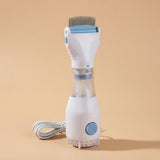
- Mist or steam tools only if your cat accepts the sound and feel; some brush-shy cats find hissing worse than dry pins
- A comb for a single knot, not as the opener for a fearful cat
Casa Michi soft starters often include the Self-Cleaning Slicker Brush or Steamy Cat Brush once basic touch is okay. Compare in Grooming & Care. The tool is secondary to the micro-session habit.
Timing tricks that help
- After a short play session that ended with a catch and a snack, many cats settle
- Warm, sleepy evening windows beat morning chaos
- Keep nail trims and ear cleaning on separate days while trust rebuilds
- In multi-cat homes, work one-on-one behind a door so another cat does not ambush the session
When to stop and call a pro
Stop the home plan and get help if:
- Mats sit tight, wet-looking, or painful at the skin
- The cat panics, redirects bites hard, or injures itself fleeing
- You see bald patches, scabs, or heavy over-grooming (Cornell Feline Health Center discusses medical sorting for excessive licking)
- Senior or overweight cats cannot groom the back half and mats build faster than training can clear
Professional groomers and veterinary teams have sedation options when welfare demands it. That is not failure. It is triage.
Fourteen-day checkpoint
- Day range: 1-3. Goal: Brush visible during treats; hand petting only
- Day range: 4-7. Goal: 1-5 strokes on a preferred zone, then pay and stop
- Day range: 8-10. Goal: Slightly longer preferred-zone passes; still under a few minutes
- Day range: 11-14. Goal: Add one new zone only if earlier zones stay easy
If day 14 still looks like day 1, shrink further or ask a certified behavior professional for a handling plan. Some cats will always prefer groomer visits over home marathons, and that can be a valid lifestyle choice for short coats.
Long coats and brush-shy cats
Long hair does not excuse forcing a full groom. It does mean mats can arrive faster. Combine micro-sessions with more frequent tiny checks of armpits, behind ears, and pants. Catching a small tangle early is kinder than waiting for a felted plate. If the coat is already ahead of your training curve, book a professional reset, then maintain with micro-sessions so you are not starting from crisis every month.
Keep a log on your phone: date, strokes tolerated, zones, and mood. Patterns show up faster than memory after a long workweek.
Reading "almost ready to explode" signals
Learn the early yellow lights: still tail, skin twitch, head turn to your hand, low growl, ears rotating back. Those mean stop now and pay for the work already done. Waiting for a bite teaches the cat that only escalation works. Your job is to become predictable: yellow light equals session over, followed by something pleasant. Predictability is calming even when the pleasant thing is tiny.
If yellow lights appear on stroke two every time, your opener is still too intense. Go back to brush-on-floor plus hand pets for a few days.
FAQ
Should I wrap my cat in a towel?
Towel wraps help some medical handling. For daily brushing, they often raise fear. Prefer consent-based micro-sessions.
What if my cat only tolerates a rubber glove?
Use it. Any tool that removes loose hair without terror beats a "better" brush that never touches fur.
Can treats create a bribe problem?
Pairing is how animals learn safety. Use small, soft treats. You can thin the schedule later once brushing predicts calm.
Will a deshedding rake fix hatred faster?
Usually the opposite if it feels harsh. Soften first, specialize later.
Takeaway
Cats that hate brushing are often cats who were asked for too much, too soon, with tools that felt wrong. Rebuild with micro-sessions, preferred zones, early endings, and soft tools. Coat perfection can wait. Trust is the product you are grooming for.