

The best cat brush for shedding is the one that matches your cat’s coat and temperament, not the flashiest tool on the shelf. Short coats usually do well with a gentle slicker or soft-tooth pass. Long coats need a slicker plus a detangling comb for knots. Dense undercoats often respond better to an undercoat-style rake used lightly. Steam or mist brushes can calm static and airborne fur during a session.
Below: a coat-type decision framework, what each brush type is for, a short low-stress routine, and Casa Michi options that fit common situations. Practical home grooming for cat parents, not veterinary advice. If mats sit tight against the skin or your cat panics, stop and consider a professional groomer.
What you’ll get
- How to choose by short hair, long hair, or heavy undercoat
- Tradeoffs between slicker, rake, detangler, and steam/mist tools
- A short session routine most indoor cats can tolerate
- Soft pointers into Grooming & Care when you are ready to shop
Match the brush to the coat you actually have
Coat length and undercoat density matter more than breed labels. Feel the coat with your fingers: is it mostly topcoat, fluffy with a soft underlayer, or prone to knots behind the ears and under the arms? Choose for what you feel on your cat.
Short hair
Short-haired cats still shed, often in fine layers that stick to dark clothes and sofa arms. A classic slicker or soft-tooth brush with light pressure usually lifts loose hair without overworking the coat. You rarely need a heavy undercoat rake as a daily tool on a sleek short coat.
Brief passes a few times a week are enough for many. If your cat already accepts brushing, a simple Pet Brush & Comb (classic slicker) often works. Prefer less pin-picking? A Self-Cleaning Slicker Brush dumps collected fur with a push-clean action so you can keep going.
Long hair
Long coats shed and tangle. Loose hair catches on itself, especially at friction spots: armpits, belly edges, behind ears, and the base of the tail. Start with a wide or gentle pass to lift surface fur, then work small sections with a detangling comb when you find knots. Never yank a mat toward the skin.
For long-hair households, pair a slicker (classic or self-cleaning) with the Pet Detangling Comb for careful knot work. Severe mats close to the skin are a stop sign: pause and consider a professional groomer rather than forcing a tool through.
Dense undercoat and heavy shed seasons
Some cats carry a thick underlayer that “blows” in spring and fall (and sometimes year-round indoors with climate control). An undercoat-style rake or fur remover comb can reach loose undercoat that a surface slicker misses, but only with light pressure and short strokes. Excess force scrapes and teaches your cat to hate the brush.
The Fur Remover Comb is Casa Michi’s on-pet undercoat-style option for lifting dead coat during shed season or as a weekly pass. Use it on the animal; it is not a laundry pad.
Cat brush types that help with shedding
Think in jobs, not marketing names. One household often needs two tools: something for everyday loose fur, plus something for knots or undercoat days.
Slicker brushes (classic and self-cleaning)
Job: Lift loose topcoat and surface undercoat on regular brushing days.
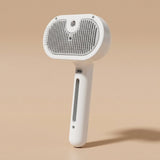
A classic slicker uses angled pins and a simple grip: no tanks, no buttons. Self-cleaning versions add a plate or button that releases the fur clump so you are not picking pins by hand. Both are dry tools. They shine as everyday options for short and medium coats, and as the first pass on longer coats before you address knots.
Choose classic simplicity with the Pet Brush & Comb, or one-button cleanup with the Self-Cleaning Slicker Brush.
Undercoat rakes and fur remover combs
Job: Reach a denser underlayer so shed hair comes off the cat instead of the sofa.
These use firmer, often steel pins and should be used sparingly with a light hand. They are not “more is better” tools. Skip aggressive daily raking on thin or single coats. Save them for shed season or weekly maintenance on cats with a clear underlayer.
Detangling combs
Job: Loosen knots and early mats so a slicker can finish the coat.
Work from the outer edge of a tangle toward the tip of the hair, not from the skin outward in one yank. Keep sessions patient. If a mat is tight, wet-looking at the base, or your cat flinches hard, stop. Home tools have limits; a groomer exists for a reason.
Steam and mist brushes
Job: Add a gentle mist while you brush so loose fur and static are easier to manage without a full bath.
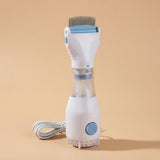
Steam/mist tools are useful when dry brushing sends fur airborne or your cat resists harsher dry passes. Fill and use only as the product insert directs. Casa Michi’s Steamy Cat Brush is the cat-first mist option; the Steam Grooming Brush is the multi-pet, comb-style steam tool if you also groom a dog in the same home.
Mist softens a session and helps gather loose hair. It is coat-care support, not a medical treatment and not a stand-in for serious mats.
Compare tools in Grooming & Care once you know the job.
Keep sessions short and low-stress
The brush that sits unused helps no one. Build tolerance before you chase a perfect coat.
- Pick a calm window. After a short play session or during a settled evening stretch works for many cats. Avoid forcing a brush when your cat is already overstimulated.
- Start with 2 to 5 minutes. Stop while your cat is still okay with it. End on a treat or quiet praise so the brush predicts something pleasant.
- Stroke with the coat, light pressure. Let the pins gather loose hair; do not scrub. Watch ears, tail, and skin ripples: early “I’ve had enough” signals matter more than finishing every spot.
- Section long coats. Work one area, release the clump into a trash bag or bin, then move on. Clearing the head between sections keeps the tool effective.
- Stop for stress or tight mats. If your cat bolts, growls, or a mat sits hard against the skin, put the brush down. Consider a professional groomer for dense mats rather than escalating at home.
Consistency beats marathon sessions. Three calm minutes most days usually outperform one stressful half-hour.
How often should you brush a shedding cat?
Use coat and lifestyle as your guide, not a rigid calendar:
| Coat situation | Typical home cadence |
|---|---|
| Short hair, light shed | 2 to 3 short sessions per week |
| Medium / long hair | Most days in short passes; detangle when you feel knots |
| Dense undercoat / heavy seasonal shed | Brief daily or near-daily light passes; undercoat tool a few times a week max |
| Senior or brush-shy cats | Micro-sessions (1 to 2 minutes) more often, always ending early |
Indoor cats with heating and cooling may shed more evenly year-round. Adjust when you see more tumbleweeds, not when a chart says you “should.” A sudden change in shedding plus appetite, energy, or litter habits is a reason to check in with your veterinarian; home brushing does not diagnose health issues.
Quick picks by situation
Use this as a shopping shortcut, not a hard sell in every aisle of your day:
- Short coat, already okay with brushing: Pet Brush & Comb
- Want less fur stuck in the pins: Self-Cleaning Slicker Brush
- Dense undercoat / shed season: Fur Remover Comb
- Long hair with knots: Pet Detangling Comb alongside a slicker
- Prefers a calmer, misted pass: Steamy Cat Brush
- Multi-pet home (cat + dog routines): Steam Grooming Brush
When you want to compare tools side by side, start in Grooming & Care.
FAQ
What is the best cat brush for shedding?
Coat-specific. Short hair: gentle slicker. Long hair: slicker plus detangler. Dense undercoat: light undercoat rake or fur remover comb. Steam/mist helps when dry brushing feels harsh or static-heavy. No single brush wins for every cat.
Can I use a dog brush on my cat?
Pin styles can overlap, but cat skin and patience differ. Prefer cat-sized or clearly multi-pet tools, light pressure, and early stops. A large, stiff dog rake is a poor daily choice for most cats.
Do steam cat brushes replace regular brushing?
No. Mist supports a calmer pass and helps with loose fur and static. You still need the right dry tool for undercoat or knots. Follow each product’s fill and care instructions.
How do I brush a cat that hates brushing?
Shrink the session. A few strokes on a favored spot, then stop and reward. Never chase or pin your cat for a full-body groom. Intense fear or severe mats belong with a professional groomer, not a longer home battle.
Will brushing stop all hair on my furniture?
It reduces loose coat on sofas and clothes; it does not freeze shedding. Pair brushing with vacuuming. Manageable fur is the realistic goal.
Takeaway
Choose a cat brush for shedding by coat: slicker for everyday short and medium coats, add a detangler for long hair, use an undercoat-style comb lightly for dense underlayers, and consider steam/mist when dry passes feel static-heavy. Keep sessions short. Leave tight mats to a professional when home tools are not enough.
Match a tool in Casa Michi’s Grooming & Care collection, or go straight to the Steamy Cat Brush or Self-Cleaning Slicker Brush if you already know the job.
More shedding FAQ
Slicker brush or undercoat rake: which should I buy first?
Most homes start with a slicker for everyday loose fur. Add an undercoat-style comb when you feel a dense underlayer or heavy shed season. Light pressure only on rakes.
How often should I brush a short-haired vs long-haired cat?
Short coats often do well with a few short sessions per week. Long coats usually need shorter, more frequent passes, plus a detangler when you feel knots. Stop early if your cat is done.
When should I pick a steam or mist brush instead of a dry slicker?
Choose mist when dry brushing sends fur airborne or your cat resists harsher dry passes. Mist supports the session; you may still want a slicker or detangler for knots and undercoat days.
Shop grooming tools in Grooming & Care.