


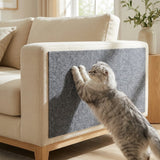


October arrives, the windows stay closed, and somehow there is still a fur comet on the hallway floor. If you expected shedding to be a spring-only event, indoor life has rewritten the calendar. Many house cats release hair at a low, steady level across the year, with seasonal bumps that still show up when daylight changes.
This post explains what coat-growth research and veterinary educational pages say about that pattern, then offers practical home care. It is not a diagnosis. Sudden bald patches, itchy skin, or shedding paired with appetite or energy changes deserve a veterinary visit.
What you'll get
- Why daylight (photoperiod) matters more than the thermostat alone
- How central heating and electric lights flatten "shed season"
- A calm fall routine for loose fur without medical overclaim
- Soft tool links only if you want help gathering coat at home
Shedding is hair replacement, not a personality flaw
Cats continuously replace hair. Classic work on feline hair cycles (Baker, 1974, on hair growth and replacement) described seasonal shifts in follicle activity, with inactivity in mid-winter months and renewed activity as spring light returned. Baker suggested increasing photoperiod as a key stimulus for spring hair loss and replacement. Neutered cats in that work still showed comparable seasonal patterning.
A later year-long study of adult domestic shorthairs measured mid-side hair growth outdoors under natural daylight and temperature. Growth followed a sinusoidal yearly pattern similar to day length, with maximum growth rates in summer and minimum rates in winter. Those cats were not apartment pets under LED lamps, but the biology still matters for interpreting indoor tumbleweeds: coat throughput is seasonal in outdoor photoperiods.
What changes when the cat lives under our roof
Veterinary grooming guides note a pattern caregivers recognize: cats in cooler climates with real outdoor time may show two heavier seasonal sheds (often described around late spring and late fall), while many indoor cats shed at lower levels all year.
Why the flattening?
Artificial light. Indoor cats often get evening light long after sunset. Photoperiod research in cats showed melatonin and prolactin respond strongly to different light regimens. Coat cycle is not identical to reproductive hormones, but the takeaway for owners is fair: light schedules can shift biological seasonality. Steady indoor lighting is one reason "shed season" never fully turns off.
Stable temperature and humidity. Climate control removes some outdoor cues. Hair still grows and dies. It simply may not arrive as one dramatic undercoat "blow" on the same date every year.
Year-round comfort coats. Indoor cats still carry guard hairs and undercoat. When undercoat turns over, it lands on dark pants whether the calendar says April or October.
A 2025 longitudinal study of cats and weather discussed seasonal rhythms in grooming and scratching and noted links discussed in the literature between coat density cycles and grooming time. Behavior papers are not the same as a follicle histology study, but they reinforce that season still touches indoor cat life even when the thermostat is flat.
Fall-specific reality check
In the Northern Hemisphere, autumn brings shorter days. Outdoor-exposed cats may dump summer coat as growth patterns shift. Indoor cats may show:
- A noticeable bump in loose fur on brushes and furniture
- More hair in the litter box corners and under radiators
- No single "wrong" week on the calendar
That bump is often normal coat turnover. It is not, by itself, proof of allergy, parasites, or nutritional failure. Equally, normal seasonal shedding does not rule those problems out. Context matters.
See a veterinarian sooner if you notice:
- Bald patches or broken hair
- Red, scabby, or greasy skin
- Excessive licking or chewing at one area (over-grooming needs medical sorting)
- Rapid coat decline with weight loss, thirst changes, or lethargy
Home brushing does not diagnose disease.
A practical fall loose-fur routine (non-medical)
- Match frequency to coat, not to Instagram. Shorthaired cats often do well with a few short sessions per week. Medium and long coats need more frequent passes to prevent tangles. During a visible bump, add brief sessions rather than one stressful marathon.
- Brush with the coat, light pressure. Stop early if the cat flinches. Mats tight to the skin are a groomer or vet job, not a home force project.
- Aim for the undercoat on heavy days. An undercoat-style comb used lightly can lift dead coat a slicker misses. Skip aggressive daily raking on thin single coats.
- Clear fur from the home on a schedule. Vacuum favorite nap zones. A fabric hair remover helps laundry loads. Neither replaces on-pet grooming.
- Keep sessions positive. Treats after two calm minutes beat chasing a cat around the sofa.
If you want tools that match those jobs, Casa Michi's Grooming & Care collection includes everyday slickers, a fur-remover comb for denser underlayers, and a laundry-side Pet Hair Remover. Choose by coat task. For coat-type shopping detail, see our live guide on choosing a cat brush for shedding.
Indoor light: a small lever you can try
You cannot recreate a Wyoming sunrise in a studio apartment, but you can avoid confusing the clock on purpose:
- Give the cat access to a safe daytime window perch when possible
- Avoid leaving bright lights on all night in the cat's main rest room
- Keep grooming consistent through winter rather than waiting for a mythical "shed week"
These are comfort habits, not proven clinical protocols for coat disease.
FAQ
Do indoor cats still have a shedding season?
Often a muted one. Many shed year-round with possible spring and fall bumps. Outdoor photoperiod studies show strong seasonality; indoor climate and lights tend to flatten the peak-and-valley pattern.
Will a deshedding tool stop all fur on the couch?
No. Tools reduce loose hair on the cat and therefore on furniture. Shedding itself continues as hair cycles. Manageable fur is the realistic goal.
Is more shedding in fall a reason to change food immediately?
Not by itself. Diet matters for coat quality over time, but a seasonal bump without other signs is common. Ask your veterinarian before major diet experiments, especially for cats with medical histories.
How is this different from our brush-buying guide?
That post helps you pick tools by coat type. This post explains why indoor fall fur still happens. Use them together.
Takeaway
Indoor cats shed on a schedule shaped by biology and by our lights and thermostats. Classic coat-growth research ties hair replacement to seasonal photoperiod outdoors. Indoor life often turns that into a steadier year-round sprinkle with autumn bumps. Brush for the coat you have, keep sessions short, and let sudden or patchy hair loss send you to a professional rather than to a random cure claim.
Sources
- Baker KP. Hair growth and replacement in the cat. 1974. https://gwern.net/doc/cat/biology/1974-baker.pdf
- Hendriks WH, et al. Seasonal hair growth in the adult domestic cat. Comparative Biochemistry and Physiology, 1997. https://gwern.net/doc/cat/biology/1997-hendriks.pdf
- VCA Animal Hospitals. Grooming and Coat Care for Your Cat; Coat and Skin Appearance in the Healthy Cat. https://vcahospitals.com/know-your-pet/grooming-and-coat-care-for-your-cat ; https://vcahospitals.com/know-your-pet/coat-and-skin-appearance-in-the-healthy-cat
- ASPCA. Cat Grooming Tips. https://www.aspca.org/pet-care/cat-care/cat-grooming-tips
- Leyva H, et al. Endocrinology, 1984. DOI: 10.1210/endo-115-5-1729
- Longitudinal season and weather cat behavior study. Animals, 2025. https://www.mdpi.com/2076-2615/15/5/637
- Cornell Feline Health Center. Cats that Lick Too Much. https://www.vet.cornell.edu/departments-centers-and-institutes/cornell-feline-health-center/health-information/feline-health-topics/cats-lick-too-much