

One household often needs two tools. That is normal, not failure.
Slicker brushes: the daily workhorse
What they do well: Lift shed hair from short and medium coats, and act as a first pass on longer coats before you detail knots.
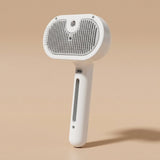
Classic slickers are dry tools with angled pins and a simple grip. Self-cleaning versions add a plate or button that dumps the fur clump so you spend less time picking pins. Both shine when your goal is routine maintenance rather than deep undercoat excavation.
Technique that protects thin feline skin: Short strokes, light pressure, stop before "brush burn." Sensitive zones (belly, armpits, behind ears) get even lighter passes. Overbrushing is a real risk on thin skin.
Casa Michi everyday options include the Pet Brush & Comb and the Self-Cleaning Slicker Brush.
Combs: knots and underlayers
Detangling combs earn their keep on long coats and friction spots. Never yank a mat toward the skin. Tease from the outer edge of the tangle. If a mat sits hard against the skin, put the comb down and book a groomer or ask your vet for guidance. Scissors at home are a laceration risk many educators warn against.
Undercoat-style or fur remover combs reach dead undercoat a surface slicker misses. Use them sparingly. Dense undercoat days and shed bumps are their moment, not aggressive daily raking on a sleek short coat.
Casa Michi carries a Pet Detangling Comb and a Fur Remover Comb for those jobs.
Steam and mist brushes: support tools, not replacements
Steam/mist cat brushes add a gentle mist while you brush. Owner-facing use cases that make sense:
- Dry brushing sends fur airborne and static-y
- Your cat prefers a softer-feeling pass than cold dry pins alone
- You want to gather loose hair more neatly during a session
They do not replace the right dry tool for undercoat or serious knots. They are not baths, not medical treatments, and not garment steamers (household steamers run far too hot for pet skin).
Honest caveats from safety discussions in grooming media: Follow the product temperature and fill instructions. Use distilled water if the maker recommends it. Empty, clean, and dry reservoirs so moisture does not sit and grow funk. If the hiss or feel scares your cat, stop. A calm dry session beats a fancy tool that trains fear.
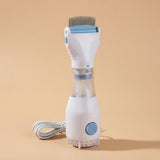
Casa Michi's Steamy Cat Brush is the cat-first mist option; the Steam Grooming Brush is the multi-pet comb-style steam tool for homes that also groom a dog.
Decision path
- Short coat, already okay with brushing: Start with a slicker. Add mist only if static or airborne fur bothers you.
- Long coat: Slicker plus detangling comb. Mist optional for calm passes. Mats that fight you go to a pro.
- Dense undercoat / visible shed bump: Light undercoat-style comb a few times a week max, plus regular slicker.
- Brush-shy cat: Shrink the session first (see our hates-brushing guide). Tool upgrades help only after micro-sessions feel safe.
- Fur already on clothes: Fabric removers and vacuuming for textiles. Those are not on-pet brushes.
Browse the full set in Grooming & Care once you know the job.
Session structure that makes any tool work
- Pick a calm window (after a short play snack works for many cats).
- Start with 2 to 5 minutes. End early while trust is intact.
- Clear the tool head between sections so pins keep working.
- Reward. The brush should predict something pleasant.
- Stop for stress signals or tight mats.
Consistency beats marathons. Three calm minutes most days outperform one stressful half hour.
Care and cleaning between sessions
Dry tools last longer when you pull fur from the pins after each cat, not once a month. Wash washable heads per the maker's card and let them dry fully before the next use.
Mist and steam tools need stricter hygiene. Empty leftover water. Wipe the tank. Air-dry open. A damp closed reservoir is where odor and film grow. If anything smells musty, stop using it until it is cleaned. That habit matters as much as which model you bought.
Store tools where the cat cannot chew cords or knock tanks off a ledge. Curiosity plus gadgets is a classic apartment comedy until it is not.
FAQ
Do I need a steam brush if I already own a slicker?
Only if dry passes feel harsh, static-heavy, or messy in the air. Many cats do fine with dry tools alone.
Can I use a dog slicker on a cat?
Pin styles can overlap, but cat skin and patience differ. Prefer cat-sized or clearly multi-pet tools and lighter pressure.
Will any of these stop shedding?
No. They manage loose coat on the cat and therefore on your sofa. Hair cycles continue. See our indoor shedding science post for why year-round fur is common.
Is mist "vet recommended" as a cure?
We do not make that claim. Mist is coat-care support. Skin disease needs a veterinarian, not a brush setting.
Takeaway
Choose grooming tools by job. Slickers handle everyday loose fur. Combs handle knots and undercoat days. Steam or mist can calm a dry, static-heavy pass but never replaces the right dry tool or professional help for serious mats. Match the tool to the coat, keep sessions short, and let temperament veto any gadget that scares your cat.